One Product. Three Stories.
A speculative creative strategy experiment: three audience-led stories for one fictional moisturizer range.

- Project
- One Product. Three Stories.
- Role
- Creative Strategist · Spec project
- Team
- Speculative creative exercise
- Domain
- Creative Strategy · Skincare
- Platform
- Conceptual video advertising
How can the same product feel relevant to three people without repeating the same product-led message?
A military professional in changing climates, an actor preparing for a shoot, and a mother caring for her baby — fictional audience scenarios.
Explore distinct audience-led stories and define what to test before claiming any campaign impact.
Three speculative ad narratives, an audience-angle comparison, and a proposed retention and click-through test.
The creative problem
"The task was to find three different reasons to care, not three ways to repeat the same product feature."
To make one fictional moisturizer range relevant across different people, situations and needs.
Can an audience's immediate context do more persuasive work than a generic list of benefits?
The brief allowed three different formulations for different climate and skin needs, but no real audience or campaign data.
I started with a person and a moment rather than with a product claim.
A three-angle creative strategy brief for a fictional moisturizer 3-pack.
The challenge was not simply to write three advertisements. Each story needed a different reason for the same product to matter.
A clearer set of creative hypotheses to evaluate, not a claimed campaign result.
This is a creative exercise, not a live campaign. No CTR, conversion, ROAS or performance result is claimed.
One product, three starting points
"Awareness and emotion determine where an ad should begin and how quickly the product should enter."
To give each audience a distinct route into the same product range.
Which situation, emotional trigger and awareness level makes the product relevant for each person?
The military professional already understands skincare; the actor and mother begin with a specific problem. These are proposed personas, not research participants.
The three ads became separate narratives rather than variations of one script.
An angle map across person, problem, trigger and awareness level.

Military professional — climate changes and confidence before an important meeting; product-aware, or solution-aware depending on the framework.
Actor / ad-shoot model — dry, rough-feeling skin makes makeup preparation a professional concern; problem-aware.
Mother with an eight-month-old baby — dry, irritated-looking skin after a bath prompts concern and a search for appropriate care; problem-aware.
Each concept can be assessed on its own audience fit and tested separately.
One common goal: make the product relevant to the person's immediate problem.
Angle 01 — The military professional
"An important life event raises the stakes of a concern he already knows how to name."
To make climate-related skincare feel personally urgent without starting from a list of formulations.
How could a product-aware person see a range as more convenient than repeatedly searching across brands?
In the proposed story, a dream about rejection exposes an insecurity before a family-arranged marriage meeting.
The product enters through a colleague's shared experience, after the emotional situation has been established.
A script concept moving from dream and insecurity to a colleague's introduction of the range.
Hook: “I don't want to marry him. He is not looking good.” The rejection is revealed as a dream. He wakes up at home on leave, still worried about how his skin looks before an important meeting.
A colleague hears the story and introduces the fictional moisturizer range as options for different weather and skin needs. Emotional journey: fear of rejection → insecurity → realization → action → confidence.
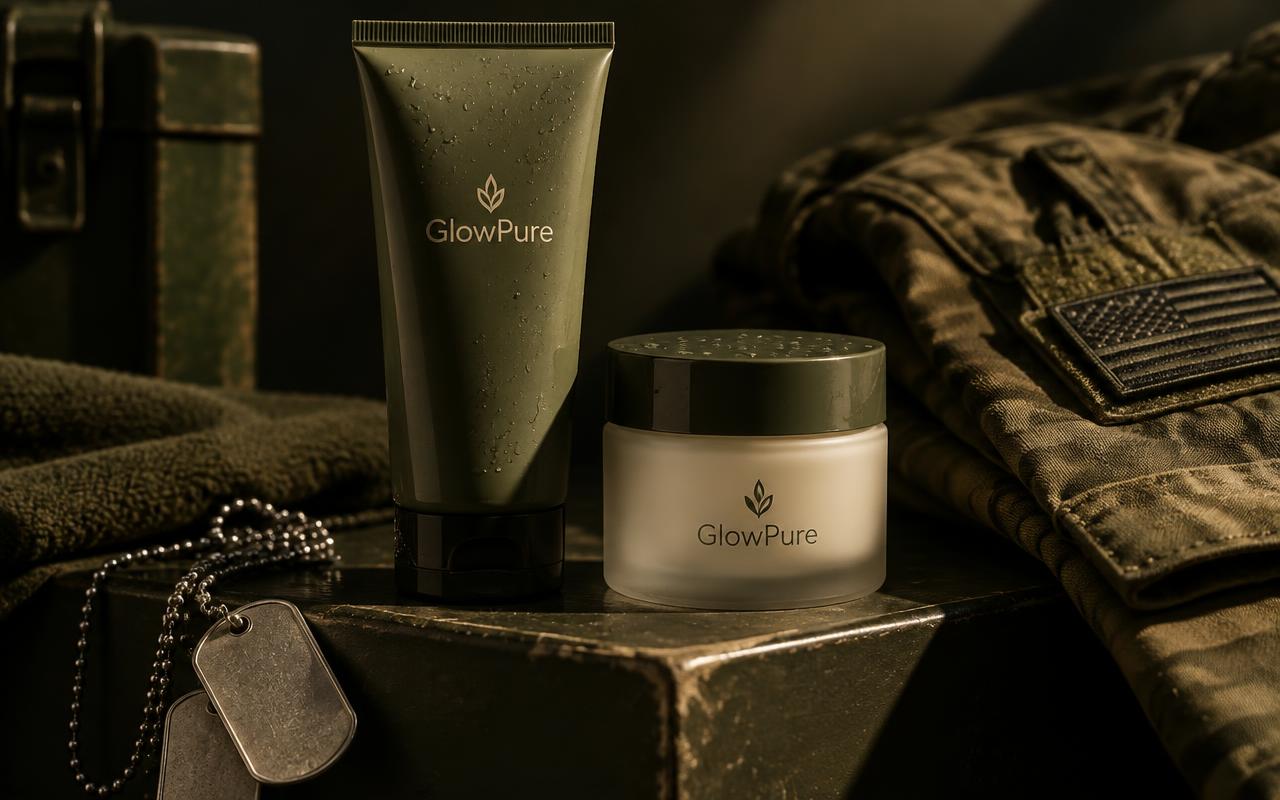
A hypothesis that the life-event hook could create relevance; it needs testing, not a claim of effectiveness.
Different weather. Different skin needs. Choose your care wisely.
Angle 02 — The actress / ad shoot
"For someone on camera, skin preparation becomes part of a professional moment, not just a beauty routine."
To connect the moisturizer to a tangible problem in the actor's workday.
Could the ad make the underlying skin-preparation issue clearer than a simple makeup failure?
The proposed narrative begins when makeup does not sit well on dry, rough-feeling skin and the shoot is delayed.
The script shifts attention from repeatedly fixing makeup to preparing the skin underneath it.
A problem-aware ad concept following a disrupted shoot, explanation and pre-makeup routine.
Hook: “Cut... Cut...! Meera, this is your last chance. If you don't look good, we have to shelve our shoot.” Attempts to fix the look fail and the director calls pack-up.
Afterward, Meera's boyfriend, who works in cosmetics, suggests considering skin type and preparation. The range is introduced as part of a moisturizing routine before makeup. Emotional journey: professional pressure → frustration → explanation → solution → confidence.
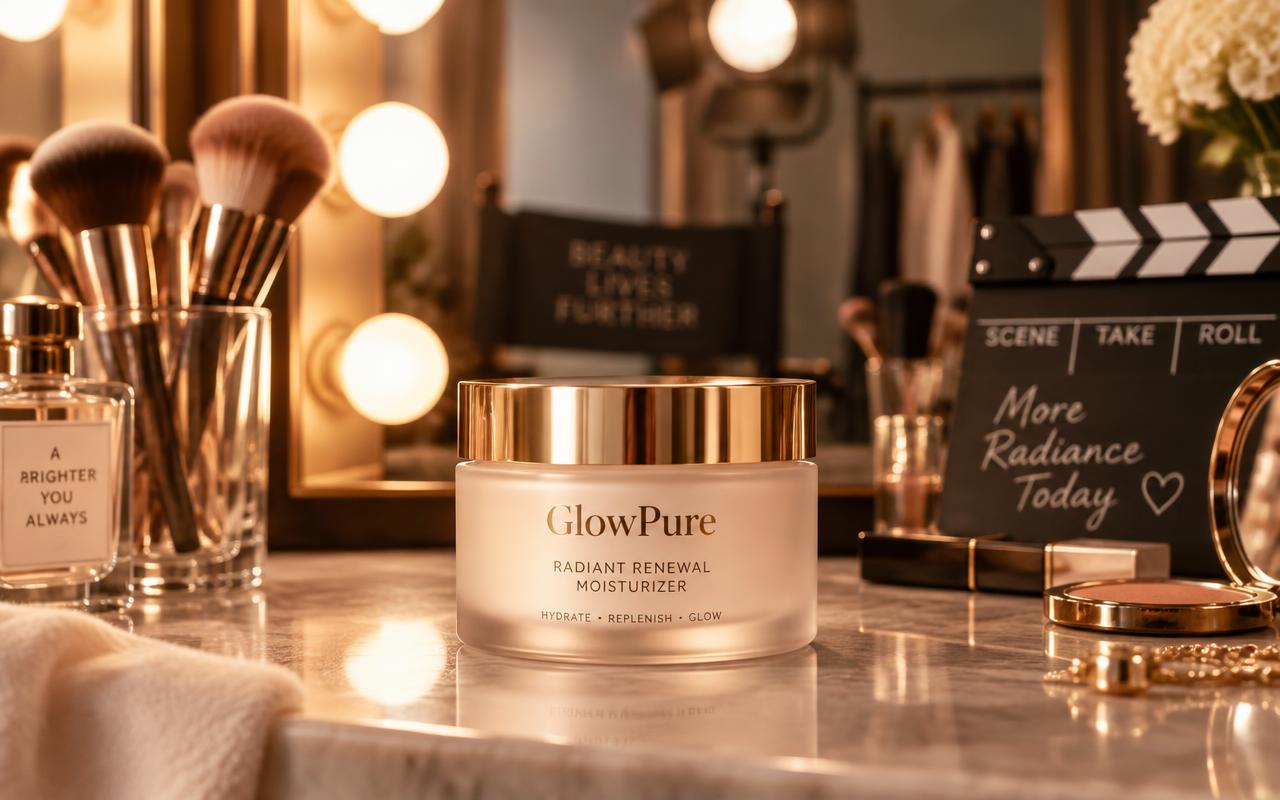
A potential route to audience relevance, pending creative testing and product-claim review.
Before you fix the makeup, understand the skin underneath it.
Angle 03 — The mother & baby
"A parent's first response to a baby's discomfort is concern; the story must treat that concern carefully."
To explore an after-bath care context without trivializing an infant's skin concern.
How might reassurance lead to appropriate care rather than an unsubstantiated safety promise?
In the proposed scenario, a mother notices dry, irritated-looking skin after a bath and consults a doctor.
The concept puts professional advice before any product mention; a baby-specific formulation and all claims would need verification before use.
A problem-aware story outline progressing from worry and investigation to appropriate after-bath care.
Hook: “Ooo... ooo... stop crying baby. What happened? Is everything alright? Let me see, dear.” The mother notices irritation after a bath and visits a doctor.
In the fictional story, the doctor discusses possible contributing factors and an appropriate gentle routine. The product connection is an after-bath moisturizing idea only, conditional on an appropriate verified infant formulation. Emotional journey: worry → investigation → reassurance → care → comfort.

A concept only — not medical advice or a claim that the fictional moisturizer is suitable for infants.
This angle would require pediatric suitability, formulation and claim review before it could become an advertisement.
Why the angles are different
"Variation matters only when it reflects a different reason for a person to care."
To check whether the three ideas really differ in more than their setting.
Are the motivations and awareness levels distinct enough to support separate creative tests?
The military concept centers on confidence and changing climates; the shoot on professional pressure; the mother on parental concern.
Each angle keeps its own problem-to-product path instead of using one shared sales pitch.
A comparison of the three avatars, problems, emotional triggers and awareness levels.

Military — climate, skin and an important life event → fear of rejection and confidence.
Actor — makeup not sitting properly during a shoot → professional pressure.
Mother — an infant's dry, irritated-looking skin → parental concern; this route is conditional on suitability and claim verification.
A framework for testing which story structure, if any, holds attention and earns a click.
The avatar changes the reason the same product matters.
Performance thinking — what I would test
"A hook can win the first seconds and still fail if the next beat delays the problem and product payoff."
To turn an untested story into a concrete, falsifiable creative hypothesis.
Would a shorter middle improve 8-second retention without weakening the reason to click?
There is no retention data yet. A drop by eight seconds is a diagnostic scenario, not an observed finding.
Keep the original hook, but test a faster sequence: Hook → Problem → Curiosity → Product → Benefit.
A proposed shorter military cut that reaches the skin problem and product earlier, with 8-second retention and CTR as primary evaluation metrics.
This is a test plan, not an experiment result. No video was run and no performance figures are available.
If retention rises but CTR does not, review the product presentation, offer, CTA and reason to click before declaring success.
The first three seconds start the story. The next few seconds have to reward the curiosity they create.
What I learned
"Creative strategy joins human context, storytelling and a plan to learn from performance."
To identify the transferable thinking behind the three concepts.
What should carry into the next audience-led creative brief?
A feature becomes more meaningful when tied to a person's situation, and awareness should influence how much explanation an ad needs.
I would write from the audience's problem outward and define the post-hook test before making performance claims.
Three distinct story routes and one proposed creative iteration framework.
The same product does not need the same story for everyone. This project demonstrates audience, awareness and performance thinking — not a successful advertising campaign.
A clearer method for future tests; this exercise makes no claim about real-world outcomes.
A strong hook is only the beginning; what follows must earn the viewer's attention.
What the design proposes
- ●Three speculative audience-led creative directions for one fictional moisturizer range.
- ●A proposed shorter-cut test using 8-second retention and CTR as evaluation metrics.
- ●No campaign launched and no measured CTR, conversion, ROAS or other performance results claimed.
- ●The infant-care concept would require formulation, pediatric suitability and claim review before use.
- Design goalTest whether a tighter post-hook story improves 8-second retention, then evaluate click-through rate.
- Measured resultNo campaign launched; no retention, CTR, conversion or ROAS results are claimed.
- ●The person and situation change why a product matters, even when the product stays the same.
- ●A hook must quickly pay off the curiosity it creates; a proposed test is not a measured result.