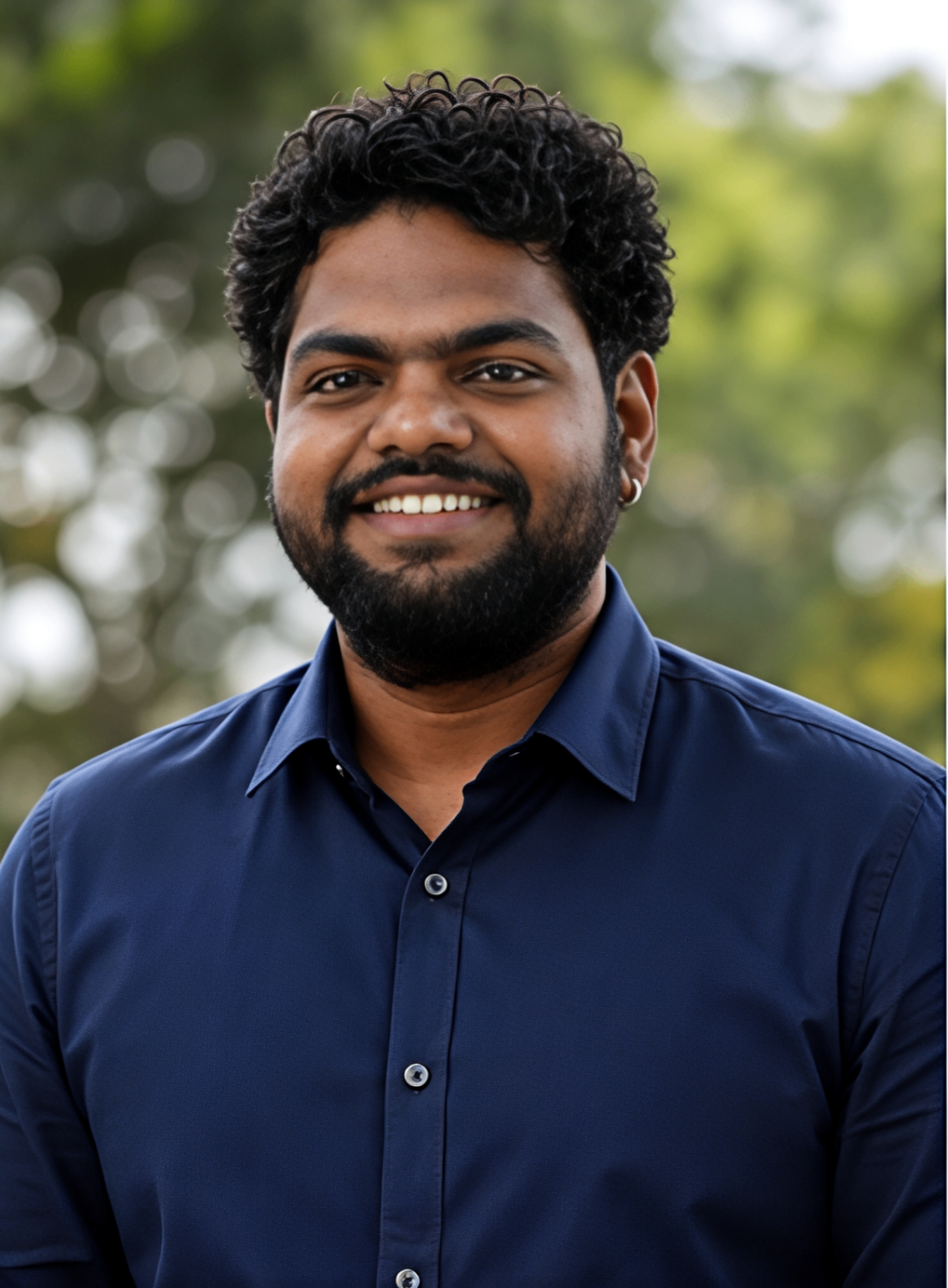
I see designwhere otherssee ordinary.
Product designer with an MBA-marketing lens. I evaluate design problems like business cases — starting from the cost of the problem, not the shape of the screen. Currently pursuing an MBA in Marketing alongside product design; business and craft are a single lens for me, not two tracks.
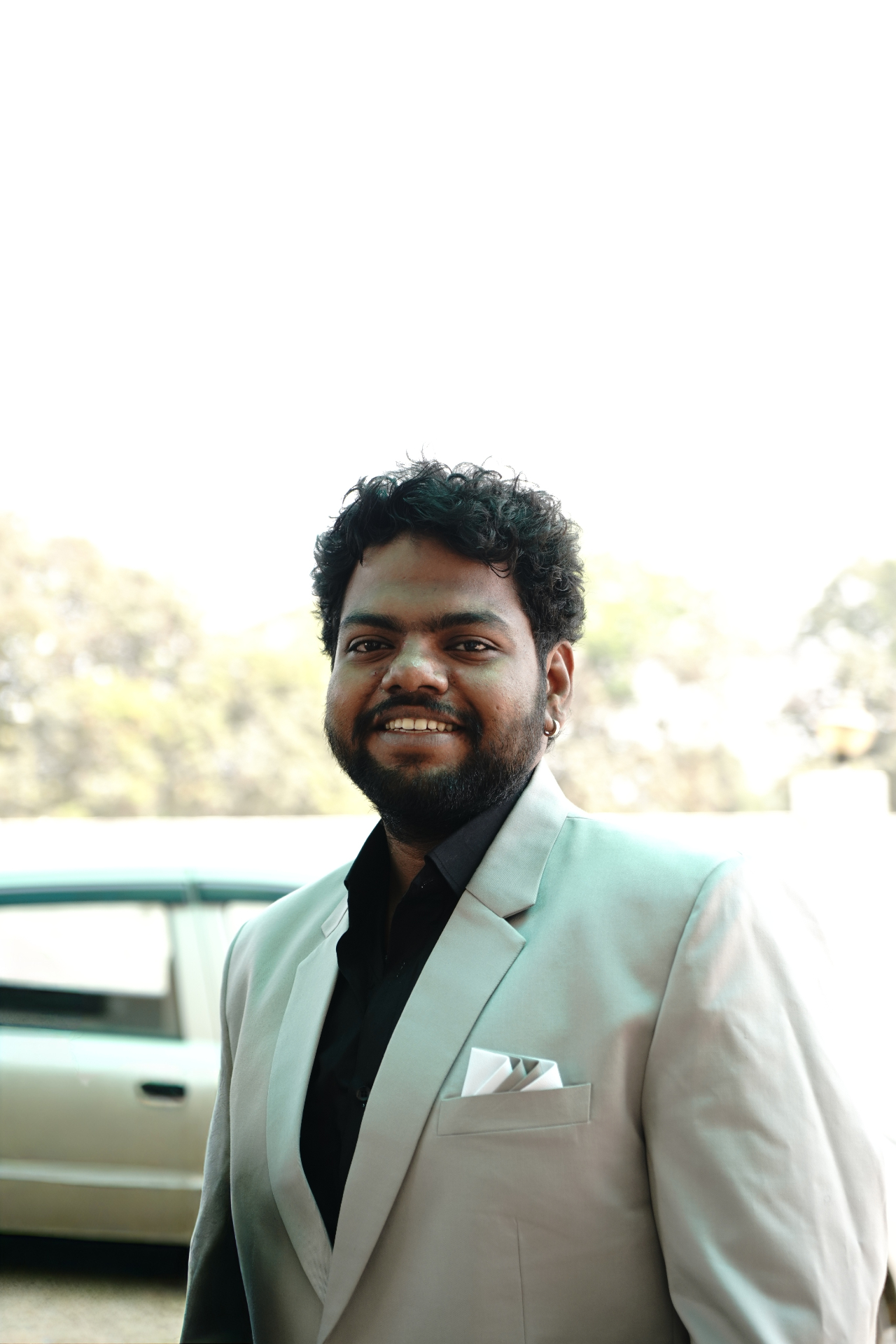
The mind behind
the work.
Design became a way of thinking for me long before it became a profession — and business became the second half of the same lens as I moved into an MBA in Marketing. This is the path of how those two collapsed into one.
- Chapter 01
Curiosity
Asked why ordinary things were the way they were — and rarely accepted the answer.
- Chapter 02
Learning
Studied design as a system of choices, not a set of aesthetics.
- Chapter 03
Teaching
Explained design to non-designers — that's when I understood it myself.
- Chapter 04
Research
Started listening to people more than I looked at screens.
- Chapter 05
Design
Built products that made people feel something — even if it was just relief.
- Chapter 06
Impact
Began measuring my work by the decisions it changed, not the screens it shipped.
How I see the world.
The business lens starts here — every one of these reframes is really a question about cost, decision, or trust before it's a question about pixels.
Most people see a form.
I see friction.
Most people see a screen.
I see a journey.
Most people see a button.
I see a decision.
Most people see a problem.
I see an opportunity.
Most people see design.
I see human behavior.
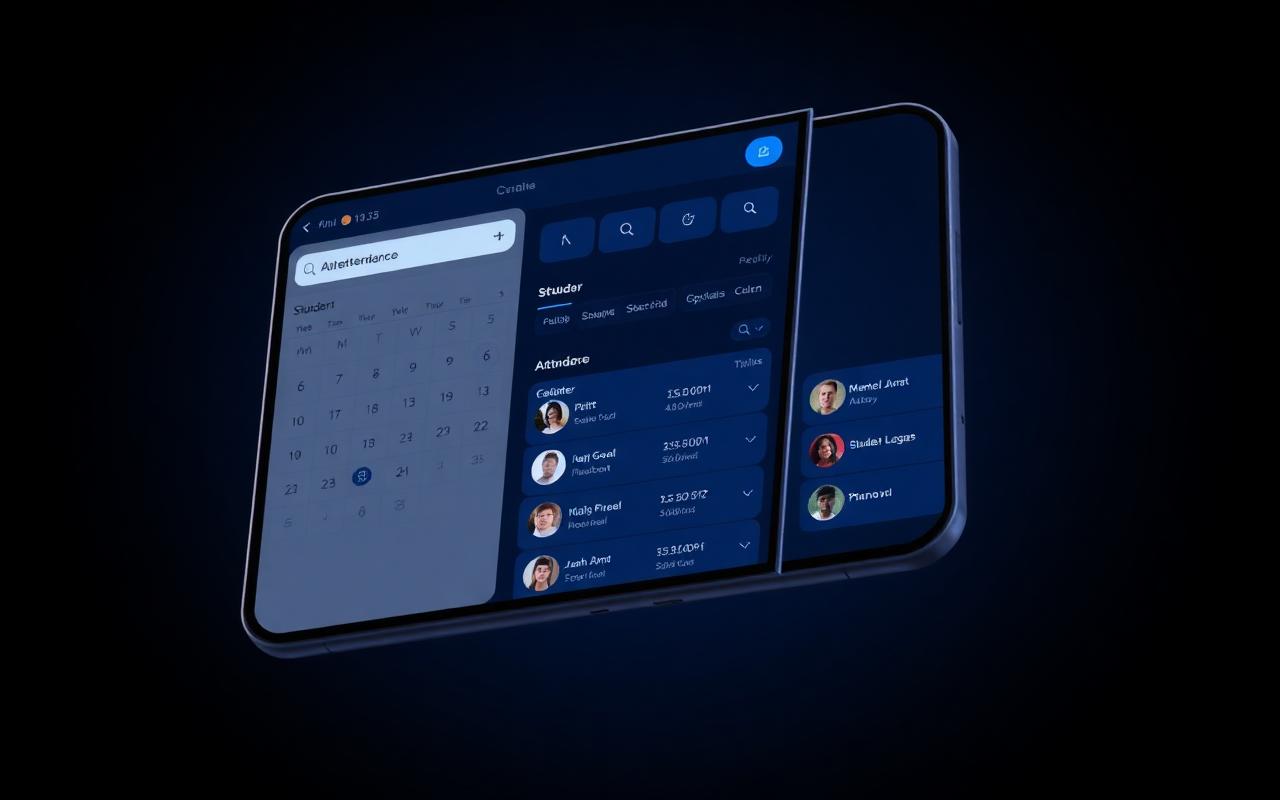
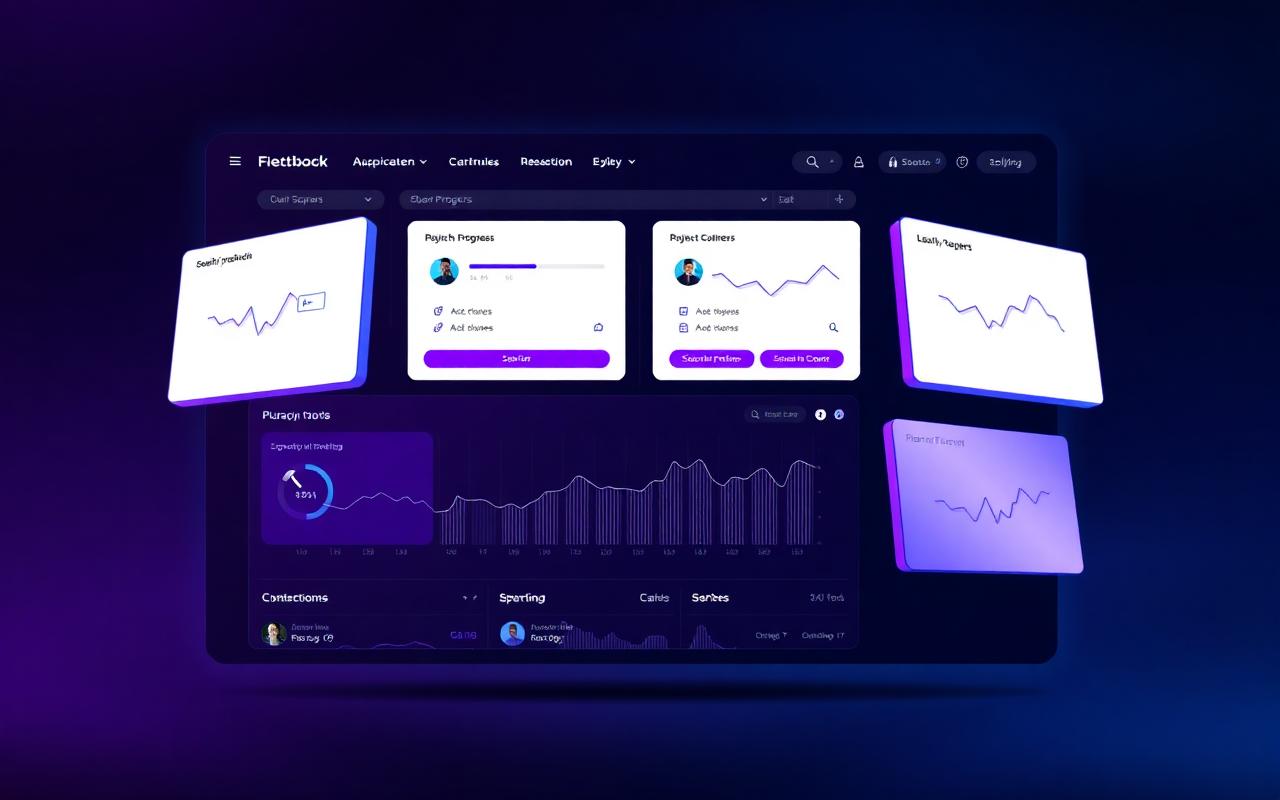
Every project started with a problem worth solving.
End-to-end case studies — from business context and research through to shipped, working interfaces.
Numbers that moved.
The work isn't a deck. It's measurable change — in time saved, completion lifted, and trust earned.
A framework that turns intuition into rigour.
Six pillars that show up in every project I ship — from research to refinement.
Observe
Sit with the problem before solving it. Notice what others normalize.
Hypothesize
Frame the smallest decision that, if true, unlocks everything else.
Structure
Map the system. Decisions, not screens, are the unit of design.
Prototype
Make it tangible early. Sketch, ship, learn — in that order.
Measure
Define what changed: time, trust, completion. No vanity metrics.
Refine
Iterate until it feels inevitable — then ship it again, better.
How I tell a case study.
Situation. Task. Action. Result. The shape every project I ship is interrogated against.
Situation
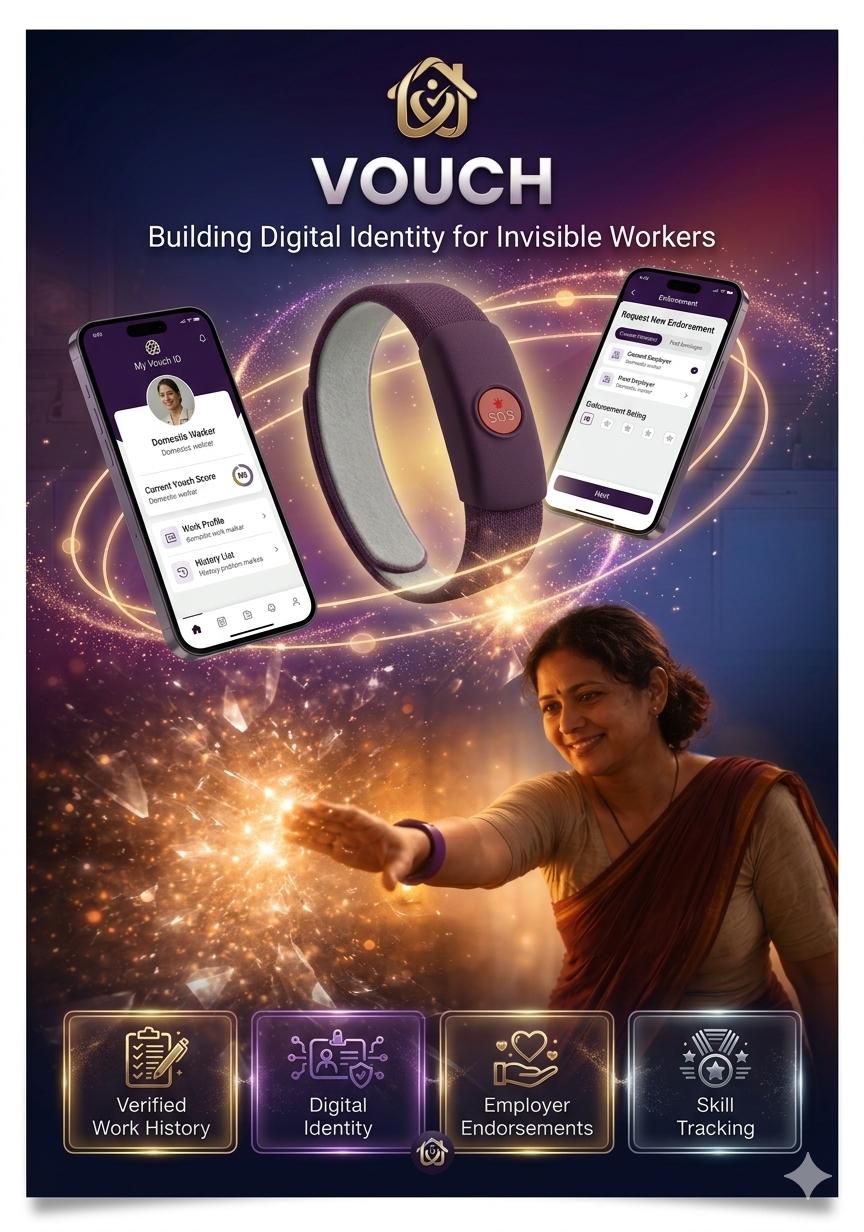
India's 4.75M domestic workers were invisible to every system that mattered — no contracts, no portable proof, no dignity.
Task
Design a worker-owned identity that turns lived labour into evidence, in twelve languages, on the lowest-end Android.
Action
6 weeks of in-language fieldwork, 47 generative questions, 8 opportunity clusters, 80+ paper screens before Figma.
Result
100% native-language onboarding, 47-second time-to-first-entry, +71 peer NPS — and a system that scales city-wide.
Design is communication before decoration.
 Poster · Neon Veins
 Brand · Mark Study
 Social · Series
 Experiment · Fluid
 Poster · Festival
From observation to experience.
Eight steps that operationalise the framework — same throughline as the case studies: business context first, craft second, measurable outcome last.
Observe
Notice what others normalize.
Research
Listen until patterns appear.
Define
Frame the right problem.
Ideate
Generate, then ruthlessly cut.
Prototype
Show, don't tell.
Test
Let users prove me wrong.
Refine
Iterate to inevitability.
Launch
Ship, measure, learn.
The toolkit behind the thinking.
- Product Design
- UI Design
- Interaction Design
- UX Research
- Usability Testing
- Behavior Design
- Graphic Design
- Brand Strategy
- Visual Storytelling
- Figma
- Adobe Creative Suite
- AI-Assisted Design
Design never stops.
Even when the screen does. A few of the questions I ask myself when I'm not at a desk.
Because most aren't designed for the user's moment — they're designed for the sender's KPI.
Because they ask for everything at once instead of earning one answer at a time.
Because the designer removed everything you didn't notice was there.
Because the first 5 seconds promised something the next 5 didn't deliver.
Because they look like they were made by someone who'd be embarrassed to ship anything less.
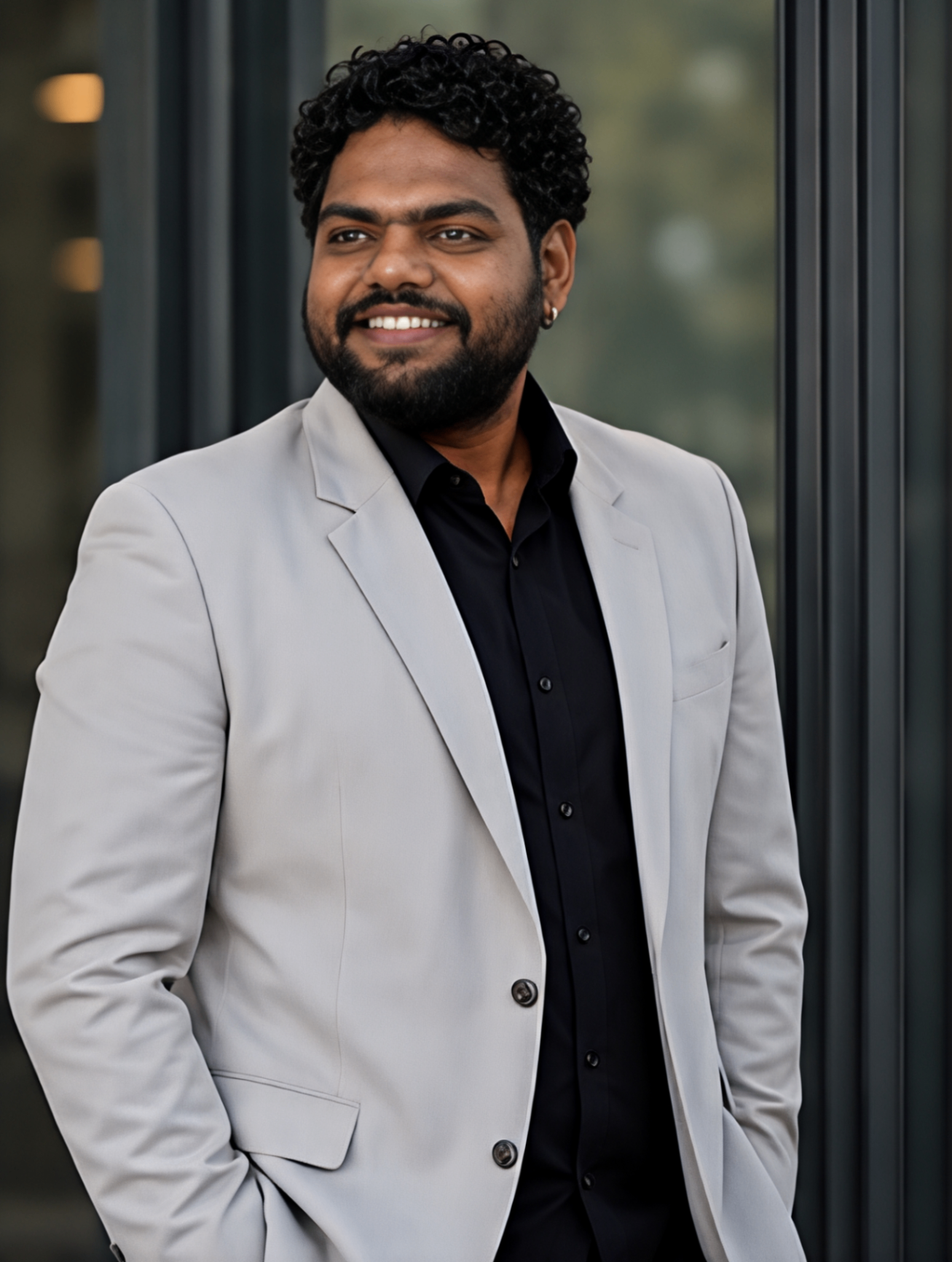
The person behind the work.
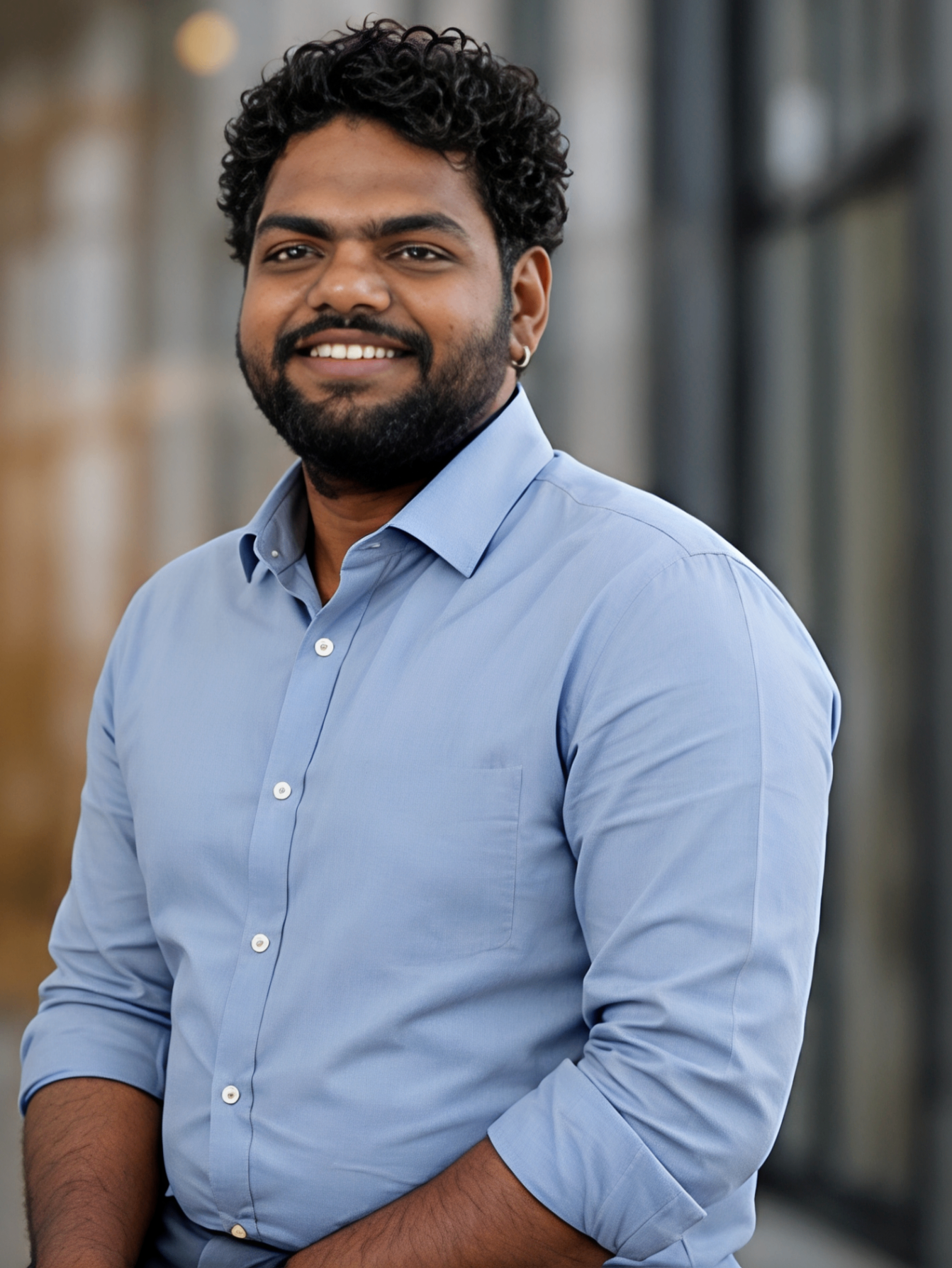 // Portrait · Blue Shirt
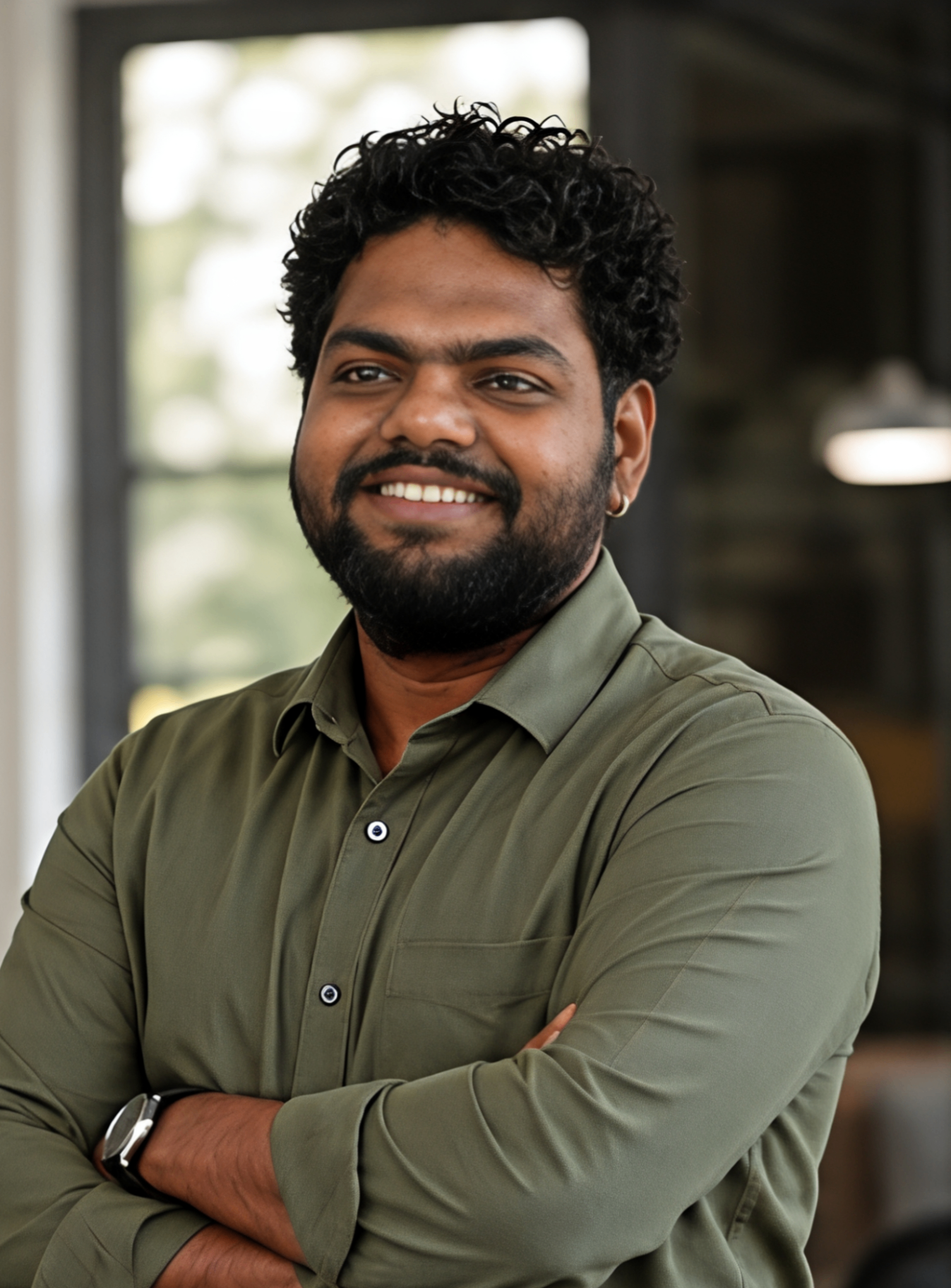 // Portrait · Olive Shirt
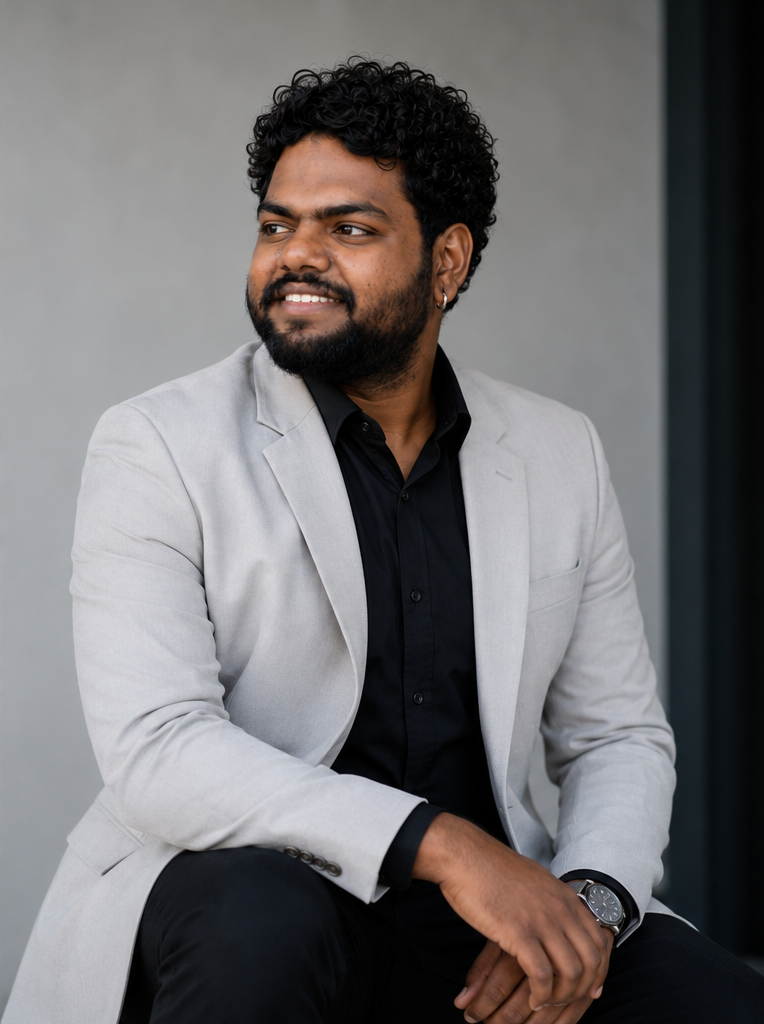 // Portrait · Seated